
Teeth Whitening
Teeth Whitening
Get Ready to Light Up the World with Professional Teeth Whitening
A radiant smile says a lot about confidence and makes a great first impression
Our professional teeth whitening services will help you have a dazzling smile. With our state-of-the-art whitening treatments, we safely and comfortably remove all kinds of discoloration and staining, restoring your teeth to their former brightness.
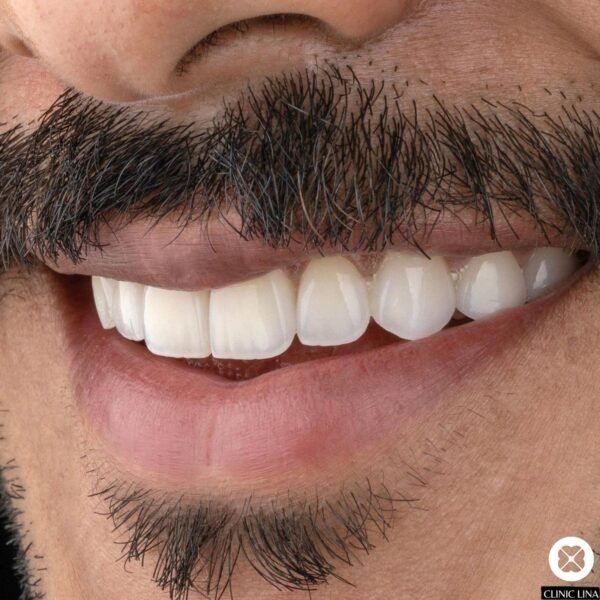
Teeth Whitening Procedure
Anesthesia
Local anesthesia
Treatment Duration
1 to 2 hours
Stay in Istanbul
1 day
Return to Social Life
1 day
Add Your Heading Text Here
What Is Teeth Whitening?
Teeth whitening is a cosmetic dental treatment used to remove stains and yellowing from the teeth. Over time, factors such as food, drinks (like coffee, tea and wine), smoking and aging can affect tooth color. Teeth whitening corrects these color changes by using special whitening agents to lighten the enamel or the dentin beneath it.
It can be done professionally in a clinic, and whitening kits for home use are also available. Besides improving a person’s appearance, teeth whitening helps them achieve a younger, more vibrant smile. However, it may not be suitable for everyone, so it is important to consult a professional dentist.
How Is Teeth Whitening Done?
Teeth whitening is a cosmetic dentistry procedure used to lighten the shade of the teeth. It is usually done with two main methods: in-office whitening and at-home whitening.
In-office whitening is a method performed professionally by the dentist at the clinic. In this procedure, a special whitening gel is applied to the teeth and then activated with a laser or light source. This method gives fast results and is usually completed in 1-2 sessions.
At-home whitening is done with special whitening kits recommended by your dentist. These kits contain clear trays that fit your teeth, and whitening gels. By wearing the trays on your teeth, you can carry out the whitening at home for a set period of time.
Both methods help lighten the color of the teeth, but in-office whitening gives faster and stronger results. Before whitening, the dentist examines your teeth and determines which method is suitable for you.
Which Methods Are Used for Teeth Whitening?
There are different methods for teeth whitening. Here are some of the most common:
- At-Home Whitening Products: Products such as toothpastes, whitening gels and whitening strips can be used easily at home and can lighten the color of your teeth.
- Laser Teeth Whitening: A method performed by the dentist in which whitening gel is applied to the teeth and activated with laser light for fast results.
- In-Office Whitening: Performed in the dentist’s clinic, this method gives effective results using stronger whitening agents and professional equipment.
- Whitening Tray or Gel Application: Professional whitening gel applications performed by the dentist are effective at removing stains and yellowing.
- Chemical Whitening: Special chemical solutions applied to the teeth provide deep whitening.
Each method offers different results and longevity, so it should be chosen according to personal preferences and needs.

Which Treatments Can Be Combined with Teeth Whitening?
Teeth whitening can usually be combined with many treatments in cosmetic dentistry. Especially when combined with procedures such as dental cleaning and plaque removal, whitening becomes more effective and helps teeth look healthier. Teeth whitening is also often chosen after orthodontic treatment (braces).
Whitening can be done after braces are removed to correct any color differences in the teeth. Whitening before cosmetic restorations such as dental crowns, porcelain laminates or zirconium also helps the natural teeth reach a lighter shade than the color of the restoration.
However, whitening cannot always be done at the same time as every treatment; for example, when whitening needs to be done after treatments such as fillings or crowns, the order of treatment should be determined by the dentist. This way, teeth whitening combined with other treatments contributes to both the health and the appearance of your teeth.
Is Teeth Whitening Suitable for Everyone?
Teeth whitening can be an effective cosmetic solution for many people, but it may not be suitable for some situations and individuals. The following people may be good candidates for teeth whitening:
- People with healthy teeth: Teeth whitening gives safer and more effective results for people without health problems such as cavities or gum disease.
- Being over 18: Teeth whitening is generally suitable for people aged 18 and over who are past adolescence.
- People with yellowing or staining: It can be an ideal solution especially for people whose teeth have changed color because of smoking, coffee, tea or acidic foods.
- People with no allergy to whitening agents: It is a safe treatment option for people who have no allergy or sensitivity to whitening chemicals.
- People without tooth sensitivity: Some sensitivity may occur after whitening, so it is recommended for people who do not have sensitive teeth.
- People with healthy gums: It is important that the gums are healthy during whitening, because any gum problem can pose a risk during treatment.
- People who want to improve their natural tooth color: Suitable for people who want to lighten their natural tooth color and get cosmetic results with whitening.
Apart from these, some situations may not be suitable for teeth whitening and may require personalized treatment. It is important to consult a dentist before whitening.
What Should I Pay Attention to After Teeth Whitening?
After teeth whitening, there are some important points to keep in mind to maintain the result for a long time and reduce the risk of sensitivity. First, the first 48 hours after the procedure are very critical; during this time it is advisable to avoid staining foods and drinks. Likewise, smoking is not recommended, especially after whitening, as it can discolor the teeth.
Staying away from extremely hot or cold foods helps reduce tooth sensitivity. Keeping up your daily oral care routine is one of the most effective ways to preserve your whitening results. Brushing regularly with a fluoride toothpaste, flossing and rinsing with mouthwash help your teeth stay white for longer. Carefully following your dentist’s care instructions and keeping up with regular check-ups will also help you protect your dental health.
Why Do Teeth Turn Yellow? Causes and Ways to Prevent It
Bright white, healthy teeth matter both aesthetically and for oral health. Yet many people experience color changes and yellowing over time. So why do teeth turn yellow? The answer lies in both our daily habits and our body’s natural processes. Understanding the causes of yellowing is the first step to preventing or reversing it.
1. Foods and Drinks
One of the most common causes of yellowing is frequent consumption of foods and drinks that have staining properties. The following in particular cause discoloration of the enamel:
Tea and coffee
Red wine
Cola and dark-colored fizzy drinks
Sauces (for example: soy sauce, tomato sauce)
Dark-colored fruits such as blackberries and blueberries
These foods cause staining over time through pigments that cling to the enamel.
2. Cigarettes and Tobacco Products
Smoking is one of the most obvious factors causing yellow teeth. The nicotine and tar in tobacco products stick to the surface of the teeth and over time create a yellowing that is close to brown. It also negatively affects oral health in general.
3. Poor Oral Hygiene
When regular brushing, flossing and dental check-ups are neglected, plaque and tartar build up. These deposits can darken the color of the teeth over time. A lack of oral care leads not only to yellowing but also to cavities and gum problems.
4. Aging and Genetic Factors
As we age, the enamel thins. The dentin layer underneath is more yellowish and becomes more visible as the enamel thins. Tooth color can also be lighter or darker genetically. Some people are born with thicker enamel, while others have thinner enamel.
5. Certain Medications and Health Conditions
Some antibiotics, especially those used in childhood (for example tetracycline and doxycycline), can cause permanent changes in tooth color. High blood pressure medications, antihistamines and some antidepressants can also affect tooth color in the long term. Some systemic diseases can also change tooth structure and color.
6. Excess Fluoride
Fluoride is beneficial for dental health, but excessive fluoride intake can cause a discoloration called “fluorosis,” which starts as white spots on the teeth and can turn brown as it progresses. This occurs especially when toothpastes containing excess fluoride are swallowed in childhood.
Frequently Asked Questions
Teeth whitening is generally safe when performed by professionals. However, incorrect use of home products must be avoided, otherwise damage to the teeth may occur.
Some people may experience temporary sensitivity during whitening. However, this sensitivity usually passes within a few days and does not cause a lasting problem.
Although teeth whitening is generally a safe procedure, some side effects may be observed. The most common side effect is tooth sensitivity, which is usually temporary and eases within a few days. In some cases, mild gum irritation or discoloration may occur, but this too usually resolves quickly.
Yes, smoking can cause teeth to turn yellow. After whitening, your teeth become more sensitive, and staining substances such as cigarette smoke can quickly make your teeth yellow.
Teeth whitening does not damage the teeth when performed correctly. However, overuse can damage the enamel, so it is important that the procedure is done by a specialist.
Teeth whitening is not permanent. The effect usually lasts between 6 months and 2 years. However, this can vary depending on individual habits (smoking, tea and coffee consumption).
Teeth whitening done with suitable products and under specialist supervision is generally safe. However, careless applications can damage the enamel. Professional treatment should therefore be preferred.
At-home teeth whitening methods include whitening toothpastes, baking soda mixtures and ready-made kits. However, the effect of these methods may be limited and temporary.
At-home teeth whitening methods include whitening toothpastes, baking soda mixtures and ready-made kits. However, the effect of these methods may be limited and temporary.
In-office whitening gives results in less time and is usually laser-assisted. At-home whitening is applied over a longer period with lower-concentration gels. They differ in how long the effect lasts and its permanence.
Yes. Temporary sensitivity is common after teeth whitening. It usually passes within 24-48 hours. Desensitizing toothpastes can help ease it.