
Prosthetic Dentistry
Prosthetic Dentistry
Function and Aesthetics Restored
Nothing is as important to a person’s confidence, inside or out, as a complete and functional smile.
It is the branch of dentistry concerned with replacing teeth lost to disease, decay or injury. Each of our highly trained prosthodontists is dedicated to offering you the best, personalized treatment to restore your smile to optimal health and beauty.
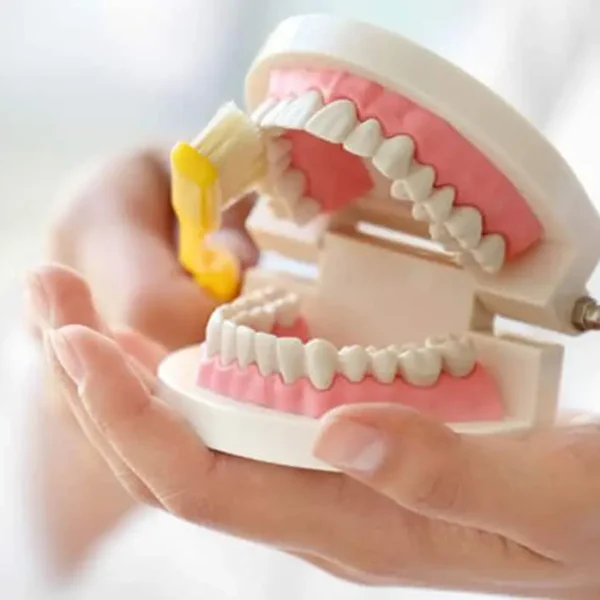
Prosthetic Dental Treatment Procedure
Anesthesia
Local
Treatment Duration
1 to 3 hours
Stay in Istanbul
3 to 5 days
Return to Social Life
1 to 3 days
Add Your Heading Text Here
What Is Prosthetic Dental Treatment?
Prosthetic dental treatment, also known as prosthodontics, is a treatment method designed to improve a person’s quality of life and help them feel good aesthetically. With this treatment, prostheses that perform the basic functions of the teeth, such as chewing and speaking, also help protect a person’s physiology and social life.
Dental health can suffer permanent or temporary damage due to genetic and environmental causes. Especially in problems that result in tooth loss, different prostheses are used so that the person can regain dental function and aesthetic concerns can be resolved. This procedure is performed by a specialist dentist.
Why Is Prosthetic Dental Treatment Performed?
Prosthetic dental treatment is performed to replace teeth lost over time with new ones using prostheses, giving the patient an aesthetic appearance. Prosthetic dental treatment can be performed for the following reasons:
- Prosthetic dental treatment plays a critical role in restoring this mechanism to proper order.
- In addition, damage to the tooth surface that affects the clarity of speech can be corrected with prosthetic dental treatment.
- Furthermore, prosthetic dental treatment can be performed so that rough, misshapen, broken or poor-looking areas of the teeth achieve the desired appearance.
- In this way, the treatment, which also aims to restore the surrounding oral tissues, helps achieve the standard for the person’s function, aesthetics and phonation.
Who Is Prosthetic Dental Treatment Applied To?
Prosthetic dental treatment can be applied for aesthetic purposes to people who have missing teeth or who have lost tooth material and tissue. It is also a treatment applied to people who have lost teeth as a result of serious diseases or a traumatic event. In this context, the situations in which prosthetic dental treatment is mainly preferred can be listed as follows:
- In people with tooth surface loss or defects that cause severe physical and psychological problems
- In people who want aesthetic problems corrected
- In cases of loss of tooth structure
- In functional impairment that can develop gradually due to certain diseases or traumatic problems
- In people with jawbone deformities who have difficulty aligning their teeth or having them perform their functions
Through treatment, the person is able to live a normal daily life.
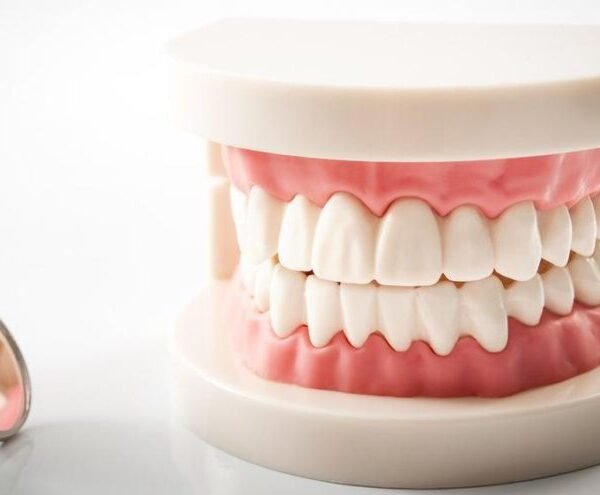
What Treatment Methods Are Used in Prosthetic Dentistry?
The methods used in prosthetic dental treatment can be listed as follows:
- Bridge: The teeth on the right and left sides of the problem area or gap are reduced by filing, and then the bridge prosthesis is seated in the empty space. It is among the most commonly used methods and is described as the traditional method. Compared with its alternatives, this method is designed to preserve tooth tissue.
- Ceramic veneer: This method stands out when there is tooth deformation or localized damage such as decay or fracture. It is often preferred to resolve aesthetic concerns.
- Implant: A medical procedure in which designed prostheses are placed inside the jawbone surgically. In broad terms, a titanium-supported component is placed into the jawbone by screwing. Among its advantages is that, with a single-tooth design, it does not damage the neighboring teeth.
- Crown: Briefly described as a cap, this procedure is known as filling or closing the gaps between teeth. The tooth is cut down to a certain extent and the crown is fixed on top.
- Removable prostheses: Described as a denture, applied in cases of complete tooth loss. Different prosthesis alternatives are used.
What Are the Advantages of Prosthetic Dental Treatment?
The advantages of prosthetic dental treatment can be listed as follows:
- Eliminating negative conditions in vital functions such as chewing and speaking, so that normal life can continue
- Allowing the person to use their smile and facial expressions aesthetically
- Helping the person avoid anxiety and feel good psychologically
- Helping protect oral health and reduce the risk of certain diseases.
Frequently Asked Questions
The extent of the tooth damage, its negative effects and the aesthetic condition of the person are assessed. The treatment therefore involves materials and a treatment approach tailored to the individual.
Prosthodontics covers the entire process, while the prosthesis refers to the material itself.
The duration of prosthetic dental treatment varies from person to person. First, if a tooth extraction is needed, the tissue and the gap are allowed about 2–3 months to prepare for the process. After that, the prosthesis is completed in an average of 4 sessions, including impressions and try-ins. Overall, this period is generally 2–3 weeks.
Mild discomfort or a feeling of pressure can be expected right after a prosthesis is fitted; this is part of the process of the oral tissues adapting to the new prosthesis. In general, pain and sensitivity decrease within a few days; if you feel severe or prolonged pain, it is important to consult your dentist.
Dentures are generally appliances that need to be replaced every 5–10 years. However, depending on use, their condition may mean they last a shorter or longer time.
When made properly, prosthetic teeth can feel like natural teeth, although an adjustment period may be needed at first. Over time they adapt to your mouth and offer comfortable use.