
Gum Aesthetics
Gum Aesthetics
Perfectly Shaped Gums to Add Charm to Your Smile
Also known as gum contouring or gum sculpting, gum aesthetics relieves and reshapes the gums so that the smile is attractively proportioned. Gum problems can cause a “gummy” smile, an uneven gum line or gum recession. Our highly trained team will do everything possible to help you achieve the ideal gum contour for a radiant and confident smile.
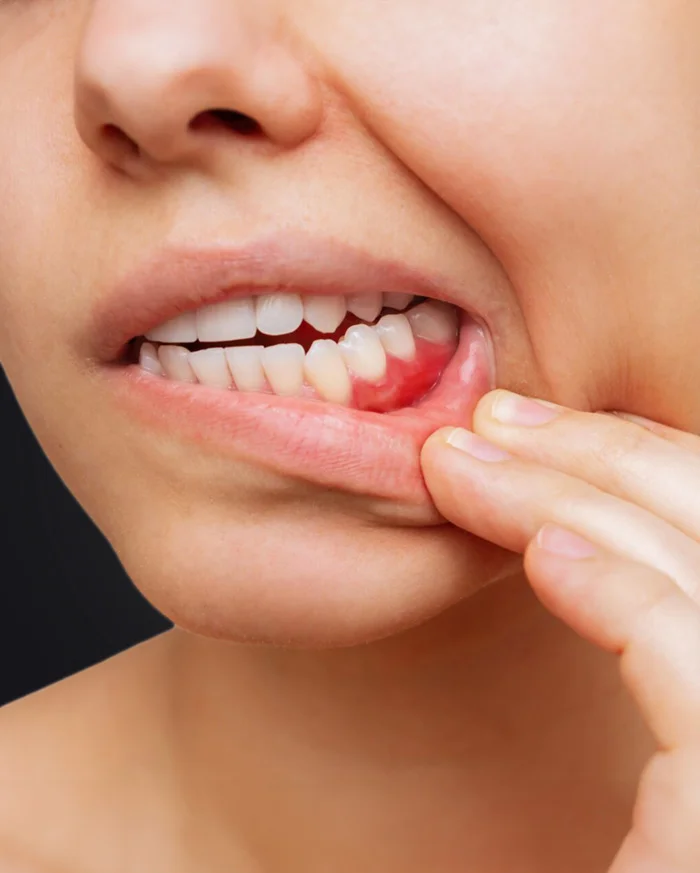
Gum Aesthetics Procedure
Anesthesia
Local
Treatment Duration
1 to 2 hours
Stay in Istanbul
3 to 5 days
Return to Social Life
1 to 2 days
Add Your Heading Text Here
What Is Gum Aesthetics?
When Is Gum Aesthetics (Gingivoplasty) Performed?
Gum aesthetics is a treatment method that aims to improve the appearance of the gums. Part of cosmetic dentistry, this procedure involves reshaping the gums, correcting their size and achieving symmetry to support the aesthetic appearance of the teeth.
Gums that have receded too far, look asymmetrical or look unhealthy can negatively affect the aesthetics of a smile. With gum aesthetics, healthy and natural-looking gums are created and the smile becomes more attractive.
This treatment is generally performed using methods such as gum reshaping, laser gum contouring or gum grafting.
Gum aesthetics treatment is applied to correct aesthetic gum problems that patients notice when they smile.
- If your gums look asymmetrical
- If too much gum is visible
- If the gums cover the teeth and make them look short
gum aesthetics treatment, i.e. gingivoplasty, can be performed.
If gum complaints reach the level of gum disease, a gingivectomy procedure is performed.
When Is Gum Aesthetics Necessary?
Gum aesthetics is necessary in the following situations:
- Uneven Gum Line: Gums that sit too high or too low can make the teeth look aesthetically unpleasing. Gum aesthetics corrects the gum line in this case.
- Gum Recession: Receding gums expose the tooth roots and cause problems for both aesthetics and dental health. Gum aesthetics treats the recession and restores the gums to their former state.
- Excessive Gum Display (Gummy Smile): Some people are bothered by too much gum showing when they smile. Gum aesthetics reshapes the gums so that more of the teeth are visible, creating an aesthetic smile.
- Gum Infections and Deformities: Deformities caused by gum inflammation or infections can prevent the gums from looking healthy. Aesthetic intervention resolves these problems.
- Asymmetrical Gums: Asymmetry between the gums can be aesthetically disturbing. Gum aesthetics makes the gums symmetrical for a more harmonious look.
- Improved Oral Hygiene: Healthy gums help maintain oral hygiene. In addition to providing an aesthetically pleasing appearance, gum aesthetics also helps keep the gums healthy.

What Causes Gum Disease?
The primary cause of gum disease is dental plaque, which is mainly caused by poor oral hygiene. Plaque contains bacteria that irritate and damage the gums. Hardened plaque is called tartar (calculus). When plaque and tartar build up around the teeth, the gums become inflamed.
Some factors that can increase the risk of gum disease are:
- Hormonal changes in women. Hormonal changes such as pregnancy, menopause and menstruation make the gums more sensitive, so gum inflammation can develop more quickly.
- Diseases such as diabetes and AIDS.
- Medications that reduce the flow of saliva, which protects the teeth and gums.
- Genetic factors. If certain dental problems run in the family, they can also increase the risk of periodontal disease.
- Bad habits such as smoking. These habits weaken the gum tissue’s ability to repair itself.
- Age. The older you get, the more likely you are to develop gum disease.
What Are the Benefits of Gum Aesthetics?
Thanks to gum aesthetics treatment, our patients can have a flawless smile design. The benefits of gum aesthetics treatment are:
- Harmony between the gums and teeth makes the smile design flawless.
- Gum asymmetry or an excessive “gummy” smile visible when smiling is eliminated.
- Early-stage gum problems are treated, providing preventive care against future problems.
Frequently Asked Questions
The most obvious signs of gum disease are:
Bleeding when brushing or on its own.
Swelling, redness and tenderness in the gums.
Teeth that look longer because the gums have receded.
Newly formed gaps between the teeth or loose teeth.
Persistent bad breath.
The inflammation that initially affects only the gums (gingivitis) progresses, if untreated, to the stage of “periodontitis”, in which the bone around the teeth deteriorates. Teeth that lose their bone support become loose and fall out, even if they are completely free of decay and otherwise sound.
Changing hormone levels during pregnancy make the gums more sensitive to inflammation. This is called “pregnancy gingivitis”. The belief that “every pregnancy costs a tooth” is false; with good oral care and professional cleaning, this problem is easily resolved.
Smoking is the greatest enemy of gum health. Because blood circulation is impaired in smokers, gum bleeding is masked. In other words, the gums do not bleed even though the disease is progressing, and the patient cannot notice the condition. Smoking also significantly slows down healing after treatment.
Gum aesthetics generally provides a permanent result, but regular care and good oral hygiene are necessary to keep the gums healthy. Even so, age-related changes or gum diseases can affect the aesthetic appearance over time.
Before gum aesthetics, it is important that your teeth and gums are healthy. Gum diseases may need to be treated before starting the procedure. In addition, it is recommended that you come on an empty stomach on the day of the procedure and that you do not smoke.